
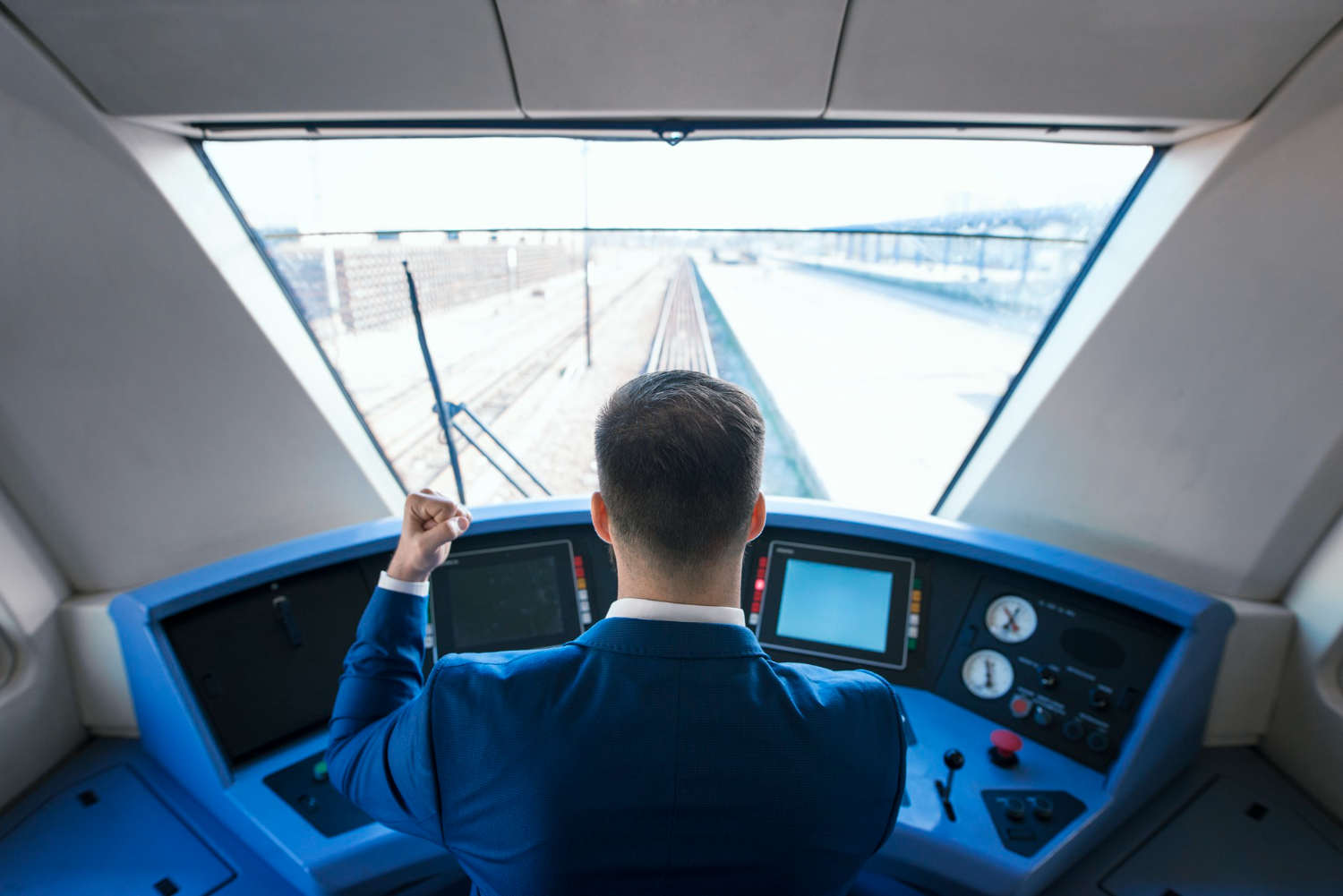
When we think of a pilot, we usually imagine someone handling the controls with precision. However, reality is much more complex. What skills does a pilot need go far beyond knowing how to take off, fly, or land. Behind every safe flight, there is a combination of personal, mental, and social skills that make the difference.
In this article, we explain what skills does a pilot need beyond technical abilities and why they are so important in professional training.
The Importance of Pilot Skills in Real Life
Aviation is a demanding environment. Every day, pilots make decisions under pressure, manage constant information, and work as a team. That is why what skills does a pilot need directly affects safety, performance, and passenger confidence.
In addition, airlines and flight schools value these skills more than ever. It is not enough to accumulate flight hours. How you react, communicate, and handle complex situations also matters.
In short, a good pilot combines technical knowledge, attitude, and mindset.
Stress Management and Emotional Control
One of the main answers to what skills does a pilot need is the ability to manage stress.
During a flight, unexpected situations may arise: weather changes, delays, technical issues, or operational pressure. In these moments, staying calm is essential.
A professional pilot must:
- Control emotions
- Avoid impulsive decisions
- Maintain focus
- Transmit calmness to the crew
In addition, learning how to manage fatigue is part of this skill. Getting enough rest, organizing breaks, and knowing personal limits help improve performance.
Clear Communication and Teamwork
The cockpit is not an individual space. Pilots constantly coordinate with copilots, cabin crew, and air traffic controllers. Therefore, communication is one of the most important answers to what skills does a pilot need.
Effective communication helps to:
- Prevent errors
- Share relevant information
- Solve doubts quickly
- Improve coordination
Listening is just as important as speaking. A pilot must accept feedback, correct mistakes, and collaborate without conflict.
Teamwork is not optional. It is an essential part of safe flying.
Decision-Making Ability
Another key point when discussing what skills does a pilot need is decision-making under pressure.
In aviation, many decisions are made in seconds. There is not always time to analyze every detail. For this reason, pilots must evaluate risks, prioritize options, and act with good judgment.
This skill is trained through:
- Simulators
- Practical cases
- Analysis of real incidents
- Continuous training
Over time, pilots develop professional intuition based on experience and knowledge.
Organization and Professional Discipline
Discipline is a fundamental part of what skills does a pilot need.
Before every flight, there are clear procedures: inspections, checklists, route planning, and weather analysis. Skipping a step can have serious consequences.
An organized pilot:
- Prepares every flight in advance
- Reviews documentation
- Follows protocols
- Maintains professional habits
Consistency in studying and technical updates is also part of this discipline.
Attention to Detail and Concentration
In the cockpit, every indicator matters. That is why attention to detail is another key element of what skills does a pilot need.
A small change in an instrument can signal a bigger problem. Detecting it early makes all the difference.
This ability includes:
- Staying focused for long periods
- Avoiding distractions
- Reviewing data accurately
- Confirming information
Sustained concentration develops through practice and experience.
Can These Skills Be Trained?
Yes. What skills does a pilot need does not depend only on personality. These abilities develop during training and throughout a pilot’s career.
In professional flight schools, they are trained through:
- Advanced simulators
- Team exercises
- Psychological evaluations
- CRM (Crew Resource Management) training
- Personalized monitoring
That is why choosing the right training program is essential to develop these skills.
Conclusion: Much More Than Knowing How to Fly
Being a pilot means much more than mastering an aircraft. What skills does a pilot need include emotional control, communication, decision-making, discipline, concentration, and adaptability.
These skills allow pilots to fly safely, professionally, and confidently. They also make the difference between a technical pilot and a complete professional.
Now that you know what skills does a pilot need beyond flying, consider their importance if you are thinking about training in this field. Share your experience or questions and take the first step toward a career in aviation.